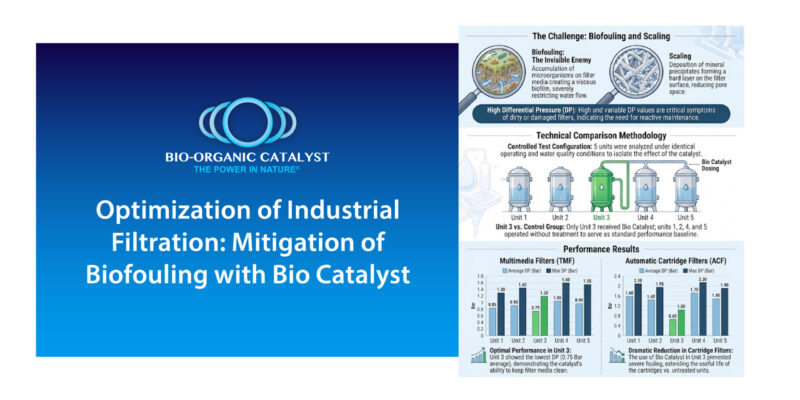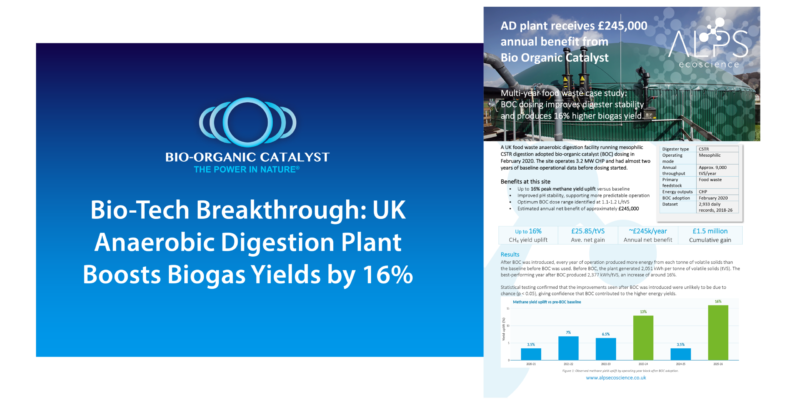
Industrial filtration systems face a constant, costly enemy: biofouling and…
Nontox Case Study Report, Environmental Performance and Efficiency Evaluation
 Remediating heavy petroleum hydrocarbons and volatile organic compounds has traditionally relied on harsh chemical additives or costly, labor-intensive processes. The ICPET analysis case study on Bio-Organic Catalyst (BOC) NONTOX demonstrates a significantly safer, highly efficient alternative driven by bio-catalytic technology.
How It Works
NONTOX enhances oxygen transfer rates and rapidly activates naturally occurring microorganisms. Rather than masking contaminants, it accelerates the biological breakdown of oils, fuels, and grease, turning complex petroleum hydrocarbons directly into safe end-products like carbon dioxide and water.
Key Highlights from the Analysis
Accelerated Degradation: Substantially reduces remediation timelines by increasing the speed and efficiency of natural biological treatment.
Environmental & Worker Safety: The formula is completely non-toxic and non-caustic. It poses no threat to local ecosystems, eliminates hazardous runoff, and requires no specialized protective gear for workers.
Vapor and Odor Control: Instantly suppresses volatile organic compounds (VOCs) and dangerous fumes, creating a safer operational environment on site.
Cost and Operational Savings: Shorter treatment periods, reduced equipment wear, and lower waste disposal requirements lower total project expenditure.
By substituting aggressive chemical treatments with bio-catalytic performance, industrial operators can maintain high environmental compliance while optimizing operational budget and safety standards.
Download the presentation on Nontox Case Study Report, Environmental Performance and Efficiency Evaluation.
Related Posts